Are Homeowners Insurance Rates Going Up?
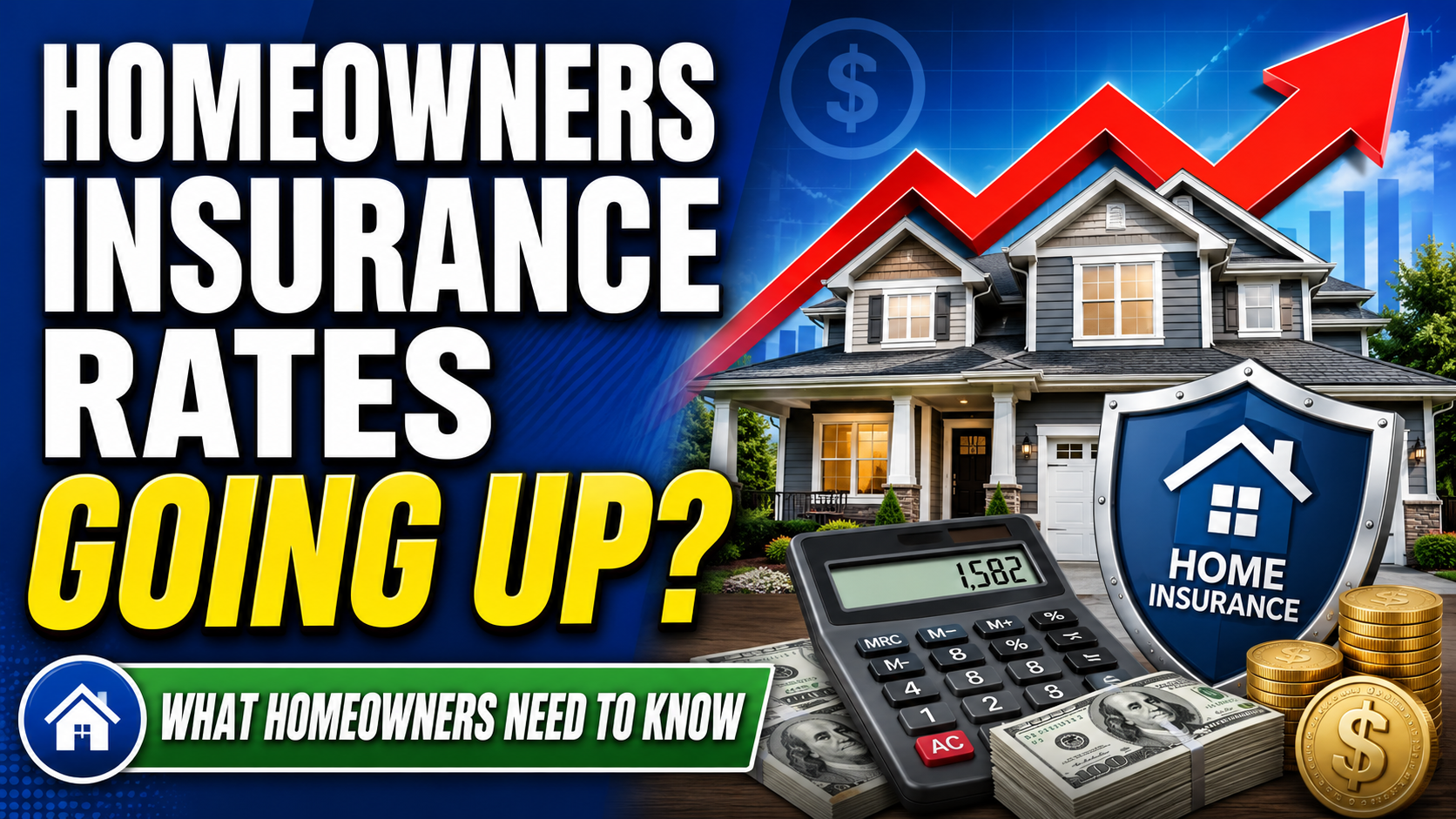
Yes, homeowners’ insurance rates are going up in many parts of the United States. Some homeowners are seeing small increases, while others are seeing much larger jumps depending on where they live, their home’s condition, weather risk, and insurance company.
Home insurance prices are not rising for one simple reason. Premiums are being pushed higher by rebuilding costs, severe weather losses, inflation, claims costs, and higher risk in some areas.
A U.S. Treasury report found thathomeowners’s insurance costs rose faster than inflation from 2018 to 2022, with some areas facing much larger increases than the national average. The report also found that homeowners in higher climate-risk ZIP codes paid much more than homeowners in lower-risk areas.
Quick Answer: Why Are Homeowners Insurance Rates Going Up? Homeowners’ insurance rates are going up because it costs more to repair and rebuild homes, and insurance companies are paying more for claims.
Main reasons include:
- Higher construction costs
- More expensive labor and materials
- Severe storms, wildfires, and other weather losses
- More homes are built in high-risk areas
- Older roofs and aging home systems
- Higher claim payouts
- Reinsurance costs
- State and local risk differences
The Insurance Information Institute reported that structural replacement costs have risen nearly 30% over five years because of supply chain problems, higher material costs, and labor shortages.
Why Homeowners Insurance Rates Are Increasing
1. Rebuilding a Home Costs More
Insurance is mainly based on what it would cost to rebuild your home after a covered loss.
If lumber, roofing, labor, windows, wiring, plumbing, and other building costs rise, insurance premiums often rise too.
This matters because your insurer must be ready to pay today’s repair costs, not the cost from five or ten years ago.
Example:
If your home would have cost $300,000 to rebuild a few years ago but now costs $390,000, your insurance company may need to raise your dwelling coverage and premium.
2. Severe Weather Is Creating More Expensive Claims
Storms, hail, wind, hurricanes, wildfires, and heavy rain can cause large losses.
Homes in higher-risk areas often cost more to insure because claims are more likely or more expensive. The Treasury report found that homeowners in the highest climate-risk ZIP codes paid 82% more on average than homeowners in the lowest climate-risk ZIP codes during the 2018–2022 period.
This does not mean every homeowner will see the same increase. Insurance is local. Two homes in the same state can have very different rates.
3. Insurance Companies Are Paying More Claims
When claims become more frequent or more costly, insurance companies often raise premiums to cover expected future losses.
A 2026 NAIC-related filing stated that homeowners insurance premium increases are largely driven by increased expected losses, including more severe catastrophe events, construction cost inflation, high-risk property exposure, and claims cost pressures.
This is why even homeowners who never filed a claim may still see higher premiums.
4. Your Location Matters More Than Ever
Your ZIP code can strongly affect your rate.
Insurers look at risks such as:
- Wind and hail
- Wildfire
- Hurricane exposure
- Tornado risk
- Distance from fire services
- Local crime
- Local claim history
- Building costs in your area
A low-risk area may see a smaller increase. A high-risk area may see a larger increase or fewer insurance options.
5. Older Roofs Can Raise Premiums
Your roof is one of the biggest factors in a home insurance rate.
An older roof can mean a higher chance of water damage, wind damage, and claim payouts. Some insurers may charge more, reduce coverage, or require roof repairs before offering full coverage.
A newer roof may help reduce risk, but discounts depend on the insurer, roof material, state rules, and local weather exposure.
6. Inflation Still Affects Insurance
Even when general inflation slows down, insurance costs may keep rising because repair and replacement costs can stay high.
Home insurance is tied closely to construction prices. If contractors, materials, and labor are expensive, claims are expensive.
The Brookings Institution notes that rising insurer costs are a major reason home insurance premiums have increased, including higher costs for construction materials and skilled labor.
7. Some Areas Have Fewer Insurance Options
In some high-risk markets, insurers may reduce the number of new policies they write, tighten underwriting, or stop offering certain types of coverage.
When fewer companies compete in an area, homeowners may have fewer choices and higher prices.
The Treasury report also found that policy nonrenewal rates were higher in ZIP codes with the highest expected climate-related losses.
Are Homeowners Insurance Rates Going Up Everywhere?
Not at the same level.
Rates may increase sharply in one area and only slightly in another. Some homeowners may even see a stable renewal if their area has low claim activity and their home has a strong risk profile.
Homeowners in these areas may face bigger increases:
- Coastal areas
- Wildfire-prone areas
- Hurricane-prone states
- Hail-heavy regions
- Areas with frequent wind damage
- Places with high rebuilding costs
- Areas with many recent claims
Rates are usually more stable in lower-risk areas with fewer claims and lower rebuilding costs.
How Much Are Homeowners Insurance Rates Going Up?
There is no single national increase that applies to every homeowner.
Your increase depends on:
- Your state
- Your ZIP code
- Your insurance company
- Your roof’s age
- Your deductible
- Your coverage limits
- Your claims history
- Your home’s rebuild cost
- Local weather and disaster risk
One homeowner may see a small renewal increase. Another homeowner may see a much larger jump because of local storms, wildfire exposure, roof age, or a change in insurance company pricing.
The important point is this: homeowners insurance rates are rising in many areas, but the increase is not equal for everyone.
Why Did My Homeowners Insurance Go Up If I Had No Claims?
Your insurance can go up even if you never filed a claim.
This can happen because insurers price policies based on future risk, not only your personal claim history.
Your rate may increase because:
- Your area had more claims
- Local rebuild costs increased
- Your home is older
- Your roof is aging
- Your coverage limit increased
- Your insurer changed its pricing
- Reinsurance costs changed
- Weather risk in your area has increased
Insurance works by pooling risk. If the cost of claims rises in your area or state, many policyholders may see higher rates.
Can Rising Homeowners Insurance Affect Your Mortgage Payment?
Yes. If your homeowners insurance is paid through an escrow account, a higher premium can raise your monthly mortgage payment.
The Consumer Financial Protection Bureau explains that mortgage payments can change when property taxes or homeowners’ insurance premiums change through escrow.
This surprises many homeowners. They may think their mortgage went up, but the real reason is often higher insurance, higher taxes, or both.
What You Can Do If Your Home Insurance Rate Goes Up
You may not be able to control the whole market, but you can take steps to reduce your cost or improve your coverage.
1. Compare Quotes
Do not accept a large increase without checking other options.
Get quotes from at least three insurers. Compare the same coverage limits, deductibles, and policy type.
A cheaper policy is not always better. Make sure the coverage is strong enough.
2. Raise Your Deductible Carefully
A higher deductible can lower your premium.
For example, moving from a $1,000 deductible to a $2,500 deductible may reduce the yearly cost.
But only choose a deductible you can afford after a loss.
3. Ask About Discounts
Many homeowners miss simple discounts.
Ask about:
- Home and auto bundle discount
- Security system discount
- Smoke alarm discount
- New roof discount
- Impact-resistant roof discount
- Claims-free discount
- Loyalty discount
- Paperless billing discount
- Smart home device discount
Discounts vary by company and state.
4. Review Your Coverage Limits
Make sure your dwelling coverage matches the real cost to rebuild your home.
Do not lower coverage too much just to save money. Being underinsured can cost far more after a major loss.
Also check personal property coverage, other structures coverage, and loss of use coverage.
5. Improve Your Home’s Risk Profile
Small improvements may help reduce risk.
Useful upgrades may include:
- Replacing an old roof
- Cleaning gutters
- Trimming trees away from the home
- Updating old wiring
- Fixing plumbing issues
- Installing smoke detectors
- Installing leak sensors
- Adding storm shutters where needed
- Creating defensible space in wildfire areas
Some upgrades may qualify for discounts, but you should ask your insurer before spending money.
6. Avoid Small Claims When Possible
Frequent claims can affect your rate or renewal options.
If damage is minor and close to your deductible, it may be worth paying out of pocket. For larger losses, insurance can be very important.
Think carefully before filing small claims.
7. Check Your Roof Coverage
Some policies cover roofs differently based on age and condition.
Ask your insurer:
- Is my roof covered at replacement cost?
- Is my roof covered at actual cash value?
- Is there a separate wind or hail deductible?
- Are there roof age restrictions?
- Would a roof upgrade reduce my premium?
Roof coverage can make a big difference after a storm.
8. Ask About Flood or Earthquake Coverage Separately
A standard homeowners policy usually does not cover flood damage. The Treasury report notes that flooding is not typically covered byhomeowners’s insurance policies.
If you live in a flood-risk area, ask about flood insurance. If you live in an earthquake-risk area, ask about earthquake coverage.
Should You Switch Homeowners Insurance Companies?
Switching may help if your renewal premium increased a lot.
Before switching, compare:
- Dwelling coverage
- Personal property coverage
- Liability limits
- Deductibles
- Roof coverage
- Wind or hail deductibles
- Exclusions
- Claim reputation
- Discounts
- Financial strength
Do not cancel your old policy until the new policy is active. A coverage gap can create problems, especially if you have a mortgage.
Common Mistakes to Avoid
Choosing the Cheapest Policy Only
The cheapest policy may have weaker coverage, higher deductibles, or more exclusions.
Lowering Dwelling Coverage Too Much
This can leave you underinsured if your home is badly damaged.
Ignoring Roof Details
Roof age and roof coverage can strongly affect your premium and claim payout.
Not Shopping Around
Many homeowners stay with the same company for years without checking for better options.
Forgetting Escrow Changes
If your insurance is escrowed, your monthly mortgage payment may rise after your premium changes.
Are Homeowners Insurance Rates Expected to Keep Rising?
Homeowners insurance rates may continue rising in many areas, especially where severe weather risk, rebuilding costs, and claim costs remain high.
Some markets may stabilize more than others. The Insurance Information Institute reported early signs of stabilization in the homeowners insurance market, but also noted that many homeowners are still feeling pressure from higher insurance costs.
This means homeowners should not assume every renewal will be the same as last year. Reviewing your policy each year is now more important.
FAQs
Are homeowners’ insurance rates going up in 2026?
In many areas, yes. Rates are still rising for many homeowners, although the size of the increase depends on location, insurer, home condition, and risk factors.
Why is my homeowners insurance so expensive now?
Your premium may be higher because of rebuilding costs, severe weather risk, local claims, roof age, inflation, or changes in your insurance company’s pricing.
Can I negotiate my homeowners insurance rate?
You usually cannot negotiate the base rate like a car price, but you can shop around, adjust deductibles, ask for discounts, update home details, and improve your risk profile.
Does my credit affect homeowners insurance?
In many states, insurers may use credit-based insurance scores as one rating factor. Some states limit or restrict this practice. Rules vary by state.
Will a new roof lower my homeowners insurance?
A new roof may help, especially in areas with wind or hail risk. The discount depends on your insurer, roof material, location, and policy rules.
Does filing a claim increasehomeowners’s insurance?
It can. A claim may affect your future premium, especially if you have multiple claims or the claim type signals higher future risk.
Should I increase my deductible?
A higher deductible may lower your premium, but it also increases your out-of-pocket cost after a claim. Choose an amount you can realistically afford.
Conclusion
Homeowners insurance rates are going up because insurers are facing higher repair costs, larger weather-related losses, and more expensive claims.
You may not be able to stop market-wide increases, but you can still take smart steps. Compare quotes, review your coverage, ask about discounts, check your deductible, and keep your home in good condition.
The goal is not just to find the cheapest policy. The goal is to get coverage that protects your home at a price you can manage.
Disclaimer
This article is for general informational purposes only. It is not insurance, legal, or financial advice. Homeowners insurance rates, coverage options, discounts, exclusions, and requirements vary by state, insurer, property, and policy. For personal guidance, speak with a licensed insurance agent or insurance company and review your policy documents carefully.